
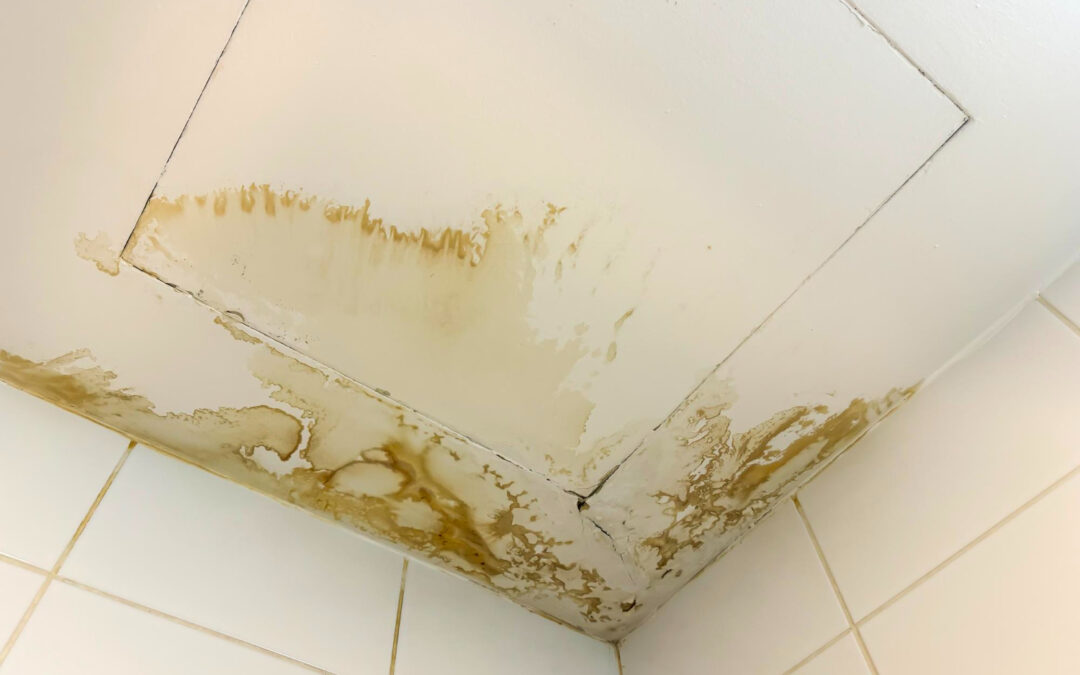
Hidden water leaks can quietly cause damage long before anything shows up on the surface. A small, unnoticed crack in a pipe or a slow drip can lead to bigger problems like mold growth, drywall damage, and even a jump in your water bill. These leaks usually don’t make noise or cause puddles right away, so they’re easy to miss until something bigger goes wrong.
Finding these leaks early helps keep your home safe and avoids expensive repairs down the line. Many trouble spots are tucked away behind walls or under appliances, which makes regular checks even more important. Whether you’re in a newly built home or one that’s been around a while, knowing where to look can give you peace of mind.
Check Common Areas First
The places we use water most often tend to be the first to show signs of hidden leaks. Bathrooms, kitchens, and laundry rooms are all connected to several water sources, so they require a bit of extra attention during your inspection.
Here’s what to look for in each of these spaces:
– Bathrooms: Open up the cabinet doors under your sinks and check for damp wood, water spots, or a mildew smell. Around toilets, look at the base for signs of discoloration or warping in the flooring. If the tub or shower has cracked grout or loose tiles, that could mean moisture is getting behind the wall.
– Kitchens: The cupboard under the kitchen sink is a common hiding place for a leaky pipe or loose connection. Look at the surfaces nearby for damage or swelling. Don’t forget behind dishwashers and below refrigerators with ice makers or water dispensers. You may spot a leak by noticing warped flooring or a musty smell.
– Laundry Rooms: Behind and underneath washing machines, especially older ones, is another area where water can escape without notice. Take a close look at the hoses. If they’re worn, bulging, or cracked, they might be leaking or about to leak.
Spending time checking these areas regularly can help you spot trouble before it gets out of hand. If something feels damp or smells off, don’t just ignore it. These first signs often mean there’s more going on out of sight.
Inspect Unseen Spaces Around the Home
Even if everything looks fine in the main living areas, leaks can hide in spots that most homeowners forget to check. This is especially true in basements, attics, and behind walls where moisture can go unnoticed for weeks or even months.
Start with the basement or crawl space. Look along the base of foundation walls for any wet lines, mold patches, or peeling paint. Sometimes the leak may not be from plumbing directly, but if there’s a crack in a pipe above, water can settle unnoticed in these lower parts of the house.
In the attic, keep an eye on insulation and the wood framing. Damp insulation feels heavier and may even smell musty. Water stains on the ceiling can mean something is leaking from above, whether it’s a pipe or condensation in the HVAC line.
Inside your living space, it pays to notice changes in walls and ceilings. Here are a few common signs that there could be a hidden leak inside the walls:
– Bubbling or peeling paint
– Warped sections of drywall
– Discolored patches
– A wall that feels cold or damp to the touch
These clues usually mean something’s been leaking for a while. A leak detection specialist can pinpoint the source without tearing out large sections of the wall, which helps save time and money. But catching it early on your own still makes a big difference in how much damage actually develops. Keeping an eye on these hidden areas adds another layer of protection to your home.
Monitor Your Water Meter for Leak Detection
Sometimes the best way to find a hidden leak is to watch what your water meter tells you. It’s one of the easiest tools a homeowner can use, and it doesn’t involve pulling out any drywall or ripping up floors. If you notice inconsistencies in your water bill and everything in sight checks out, head outside and take a closer look at the meter.
Start by turning off every faucet and appliance that uses water. This includes things like the washing machine, dishwasher, and sprinkler system. Once you’re sure all water usage has stopped, check the meter reading. If the meter continues to move or spin, that often points to a leak somewhere in the line.
Here’s a simple way to track it:
1. Write down the current number on the meter.
2. Wait two to three hours without using any water at all.
3. Check the meter again after that time passes.
If the number has changed, there’s a good chance water is escaping somewhere. It may be a very slow leak, but it’s still something that shouldn’t be ignored. For leaks hidden under slabs or between walls, this method can be the first big clue. If your meter has a small dial that moves with even the slightest flow, you could spot a leak that isn’t even leaving visible damage yet.
This tactic saves a lot of guesswork and is helpful in homes located in warmer climates like Gilbert, where water lines may run underground for cooling and irrigation. Watching your meter won’t tell you exactly where the leak is, but it gives you solid confirmation that something’s off, and that’s enough reason to get help.
Why Professional Leak Detection Helps
If you’ve checked all the usual places and still can’t find the source of a potential leak, that’s when advanced help becomes necessary. Professionals carry tools that can do more than lift up a tile or shine a flashlight under a sink. From thermal imaging cameras to acoustic listening devices, they can narrow things down without tearing into the structure of your home.
Hiring someone who knows what to look for saves time. Instead of playing detective for a week and living with suspicion, the job gets done in a few hours with answers you can trust. That’s especially helpful if you live in an older home or if your property has a history of previous plumbing repairs.
Here’s how professional leak detection often works:
– A specialist conducts a full inspection of the home, both inside and outside.
– Areas like crawl spaces, pipes under concrete slabs, and sprinkler systems are tested.
– Sensitive equipment pinpoints the smallest sound of running water, even when it’s buried several feet below.
– Once the leak is found, they’ll let you know the best options for fixing it without causing extra damage to your home.
In places like Gilbert, where heat and soil conditions can put stress on pipes, expert detection helps avoid long-term hidden water issues. It takes the guesswork out of the process and reduces the risks of further property damage or higher utility bills.
Stop a Small Leak Before It Becomes a Big Problem
Spotting water leaks before they become a bigger issue is all about knowing where to look and acting quickly when something seems off. From checking the usual spots in your bathrooms and kitchen to scanning attics and basements, these small steps can make a big difference. Watching your water meter and picking up on odd sounds or smells can also clue you into an issue that hasn’t shown itself yet.
It’s easy to assume everything’s fine when there are no puddles, stains, or sudden drops in water pressure. But the truth is, even a drip deep inside your walls can create damage over time. Being aware of these subtle signs helps you act early and keep things under control.
When the search feels too frustrating or you’re tired of guessing, reaching out to trained leak detection professionals in Gilbert is the smartest next step. They’ll confirm what your instincts might already be telling you and give you answers you can rely on. Preventing damage is always better than repairing it. The more you stay ahead, the better protected your home will be.
If you’re noticing signs of water damage or unexplained moisture in your home, Benjamin Franklin Plumbing is here to help. Our team specializes in identifying and resolving issues quickly with professional leak detection in Gilbert to keep your home protected and your plumbing running smoothly. Reach out today to schedule a thorough inspection.