
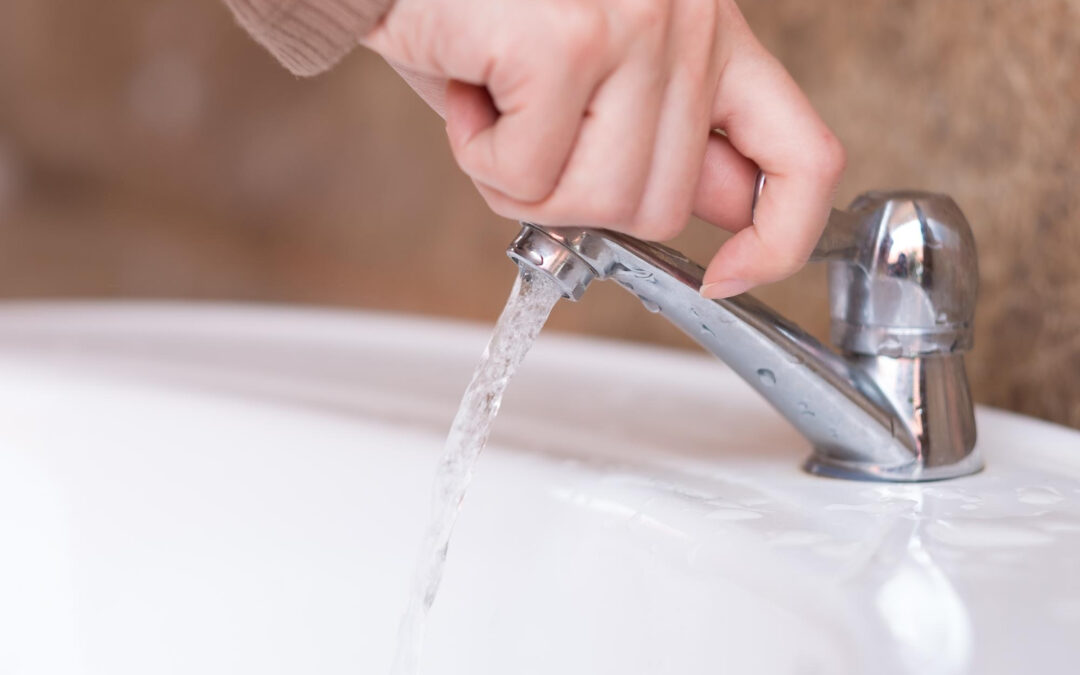
Low water pressure in your home might seem like a small issue at first, but over time it can turn into a real headache. Whether it’s a slow-filling washing machine or a weak shower stream, these small annoyances can start to disrupt your day. It’s one of those problems that can sneak up on you. Sometimes it hits all at once, but often it builds gradually until it’s hard to ignore.
Fixing water pressure problems means more than just improving the flow. It can also be a sign that something isn’t quite right in your plumbing system. Tackling this early can keep things running smoothly, help your appliances work better, and prevent bigger plumbing issues down the line. If you’re in Gilbert, AZ, and dealing with low water pressure, it’s a smart move to get to the bottom of it now before things get worse.
Common Causes Of Low Water Pressure
There isn’t one single reason for low water pressure. It usually boils down to an issue somewhere in your plumbing or an external source, and finding the right fix starts with figuring out the cause. Some of the most common problems include:
– Clogged pipes: Over time, pipes can build up gunk like mineral deposits, rust, or sediment, especially if the pipes are older. That buildup can narrow the pipe’s opening and slow water down before it even reaches your taps.
– Corroded plumbing: Galvanized steel pipes, often found in older homes, are known to corrode inside. The corrosion gradually cuts off water flow over time until, eventually, it feels like you’re barely getting a trickle.
– Leaking pipes: If water is escaping somewhere behind your walls or under your home, what reaches your faucet might be far less than usual. Leaks may be hard to spot, but low pressure across multiple areas is a possible clue.
– Municipal supply issues: Sometimes the problem isn’t within your property. Work being done by the local water authority or older water lines serving your neighborhood might be reducing the pressure coming into your home.
– Problematic fixtures or valves: A blocked or old aerator on a faucet, valves that aren’t fully open, or a partially closed water meter valve can cause weak flow in just part of the home.
Sometimes, it’s a mix of issues. One example might be an older home in Gilbert with both aging pipes and hard water buildup, which is fairly common around the East Valley. Whatever the source, it’s important to take note of when and where it’s happening.
Identifying Water Pressure Problems
When you’re trying to get to the bottom of weak water flow, knowing what to look out for can save time and frustration. Some signs are easy to catch, while others require a closer look.
Here are a few red flags:
1. Water trickles from one or more faucets when it used to flow strong.
2. Showers seem unusually weak or hard to rinse with.
3. Appliances take longer to fill or seem less effective at cleaning, like dishwashers or laundry machines.
4. Pressure drops noticeably when more than one fixture is in use.
5. Water bursts strongly for a second and then immediately drops off.
You can also check your water pressure using a pressure gauge. These are simple tools that attach to an outdoor hose bibb and give you a number reading to compare with normal levels. If the reading is low across all areas, it points to a bigger issue. If it’s just in one fixture, it might only need cleaning or replacement.
Pay attention to where the problem shows up. Is it just in the kitchen sink? Only the upstairs bathroom? Or is it consistent through the whole house? All of these hints help you figure out whether it’s a single fixture problem or something affecting your entire system. When you know what you’re dealing with, it makes the next step clearer.
Solutions For Fixing Low Water Pressure
Once you’ve figured out that your home has low water pressure, it’s time to start working toward a fix. What needs to happen depends on what’s causing the issue to begin with. Sometimes it’s a quick task, and sometimes it takes a bit more work.
Start with these common fixes:
– Clean faucet aerators: Mineral deposits from hard water can clog up the tiny mesh screens on faucets. Unscrew the faucet tip, soak it in vinegar, and scrub away any buildup.
– Replace worn fixtures: Older showerheads or faucets might be slowing the water. Swapping them out for newer ones can make a big difference.
– Check for visible leaks: If you notice damp spots, mold, or unexplained wet areas around your home, there might be a leak that’s reducing pressure.
– Make sure all shut-off valves are open: Valves near sinks, toilets, and under the house can get turned partway by accident. Make sure they’re fully opened.
– Flush the plumbing lines: Over time, sediment can build up in pipes. Draining and refilling your plumbing system can help move those blockages along.
If none of those seem to help, there might be deeper plumbing work needed. Installing a pressure booster pump could help if low pressure is coming from the municipal lines. If your plumbing pipes are old, corroded, or full of buildup, it may be time to replace them. Whole-home or partial repiping is a more serious project, but it can offer long-term performance.
In Gilbert, pipe materials and water quality vary between neighborhoods. Some homes may be dealing with damage or blockages in the main water line from the curb to the house. Tree roots, pipe breaks, or aging materials can all slow down flow a lot. In those cases, expert water main service can uncover what’s going on and get everything working right again.
When To Call A Professional Plumber
Not every pressure problem has a quick fix. If you’ve tried the basics and are still dealing with slow water, it might be time to bring in an expert. Plumbers have the tools and experience to find what’s really going on, even behind walls or underground.
Call in a pro if:
– You’ve replaced or cleaned fixtures and the issue still exists.
– Water pressure is low in several areas with no clear cause.
– You think there may be a leak but can’t find it.
– You’ve had patchwork repairs in the past that may now be causing new problems.
– Water pressure dropped quickly and hasn’t improved with time.
A licensed plumber can do pressure testing, inspect fixtures, check underground lines, and use cameras to see inside pipes without opening up walls. If it turns out the issue is tied to the main water line, a professional can figure out if repair or replacement is needed without unnecessary digging or trial and error.
Trusting a professional means fewer guesswork mistakes and faster solutions. It can also save you from future appliance wear and possible water damage. Plus, plumbers make sure your repairs meet the right codes and can get the right parts when they’re not available at your usual home store.
Keeping Gilbert Homes Flowing Strong
Once your water pressure is back to where it should be, a little upkeep will help keep it that way. Good habits can keep small problems from coming back or growing into something worse.
Try to avoid sending things like grease, coffee grounds, or food scraps down your drains. Those can clog pipes over time and hurt your water flow. Fix leaks as soon as you find them, even if they seem small. A tiny drip can turn into a big issue if it goes unnoticed.
It also helps to schedule plumbing checkups every so often. Homes in Gilbert, especially older ones, often deal with shifting soil and hard water buildup that impact lines and pressure. Keeping an eye on your system with simple checks every few months can spot trouble before it ramps up.
Gilbert has its share of water and plumbing challenges. From pipe corrosion to root problems in underground lines, issues can come from a few different areas. Sticking with a good maintenance plan and calling professionals when needed gives your plumbing the best shot at staying strong and steady for the long haul.
If you’ve decided it’s time to address persistent water pressure issues, consider professional help to ensure lasting solutions. At Benjamin Franklin Plumbing, we understand the unique plumbing needs of Gilbert homes. Whether you’re dealing with a leaking fixture or need reliable water main service, our team is here to help. With our experience, you can count on smooth, consistent water flow throughout your home. Don’t wait for the problem to get worse—reach out to schedule an appointment today.